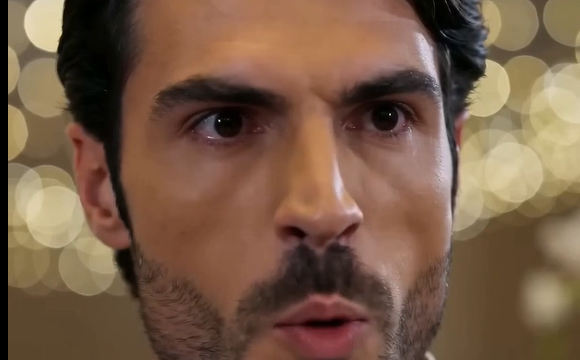
When Marisol stepped through the front door of the modern white house, her smile bloomed like she had won a prize. Sunlight poured through the tall windows, spreading across the polished marble floors until the whole place seemed to glow. Every surface looked expensive. The glass reflected her beige strapless dress as she walked deeper inside, heels clicking against the floor.

She did not ask whose house it was. She had decided it should belong to her.
“This house is finally at the level I deserve,” she said, lifting her chin as if the rooms had been built to bow before her.
For months, she had complained that her fiancé, Mateo, worked too much and dressed too simply. Marisol wanted more than kindness. She wanted proof. She wanted a life other women would envy. She wanted shining floors, huge windows, and a home that made guests lower their voices the moment they entered.
Now she had found exactly that.
Her eyes moved across the open living room, already imagining parties, photos, and neighbors whispering about her luck. Then her gaze stopped near one of the largest windows.
A ladder stood there.
At the top of it was Mateo.
He wore a light shirt damp with sweat, sleeves pushed up, his hair messy from effort. In one hand he held a cloth, and on the window behind him were long cleaning streaks catching the sun. He had been wiping the glass carefully, leaning close to remove every mark. The ladder creaked under him as he turned.
For one second, Marisol simply stared.
Then her face changed.
The bright admiration vanished. Her mouth twisted in disgust, as though the beautiful home had suddenly been stained. She looked at the cloth in his hand, the sweat on his collar, and the ladder beneath his shoes, and she reached the easiest, cruelest conclusion.
“You clean houses?” she snapped.
Mateo blinked, still standing on the ladder. “Marisol, wait—”
She cut him off before he could climb down. “You work cleaning houses? This is over. I will not marry a poor man.”
Her voice echoed through the empty rooms. The marble floor carried every word back to them, sharper than she intended, but she did not regret it. Not yet. She looked at him with the cold certainty of someone who believed love should come with status, not struggle.
Mateo climbed down. Each step of the ladder sounded heavier than the last. When his shoes reached the floor, he stood there with the cloth hanging from his hand. Behind him, the window was almost spotless, except for the wet streaks he had not finished wiping away.
He looked less angry than wounded.
That bothered her more than anger would have.
“Marisol,” he said quietly, “you do not understand.”
“I understand perfectly,” she replied. “You let me believe we had a future, but you are out here scrubbing windows like hired help.”
The words struck him. Sweat ran down the side of his face, but now tears joined it. He tried to breathe steadily, yet his chest shook. For a man who had worked silently for years, who had saved every extra dollar, who had dreamed of giving her a safe place to begin their marriage, her judgment cut deeper than he expected.
He looked around the room he had prepared for her. The marble floors had been polished that morning. The glass had been washed by his own hands because he wanted the sunlight to enter cleanly when she saw it. He had checked the locks, swept the corners, opened the curtains, and climbed the ladder because no hired crew could understand what the moment meant to him.
“I was cleaning because I wanted to give it to you perfect,” he said, his voice breaking. “I bought this house for us.”
The sentence fell between them, quiet but devastating.
Marisol’s eyes widened slightly, but pride held her in place. “You bought it?”
“Yes,” Mateo said. “I signed the final papers yesterday. I wanted to surprise you before the wedding.”
He wiped his cheek with the back of his hand. The cloth in his other hand looked suddenly different. It was not a symbol of poverty. It was proof of care. He had not been cleaning someone else’s dream. He had been preparing theirs.
Marisol looked around again, but this time the house did not shine for her. The white marble, the huge windows, the glossy reflections, even the open space she had admired seconds earlier became evidence against her. She had praised the home when she thought it represented wealth. She had rejected the man the instant she thought he represented work.
“Mateo, I didn’t know,” she whispered.
He nodded, tears still on his face. “That is the point.”
She stepped toward him. “I was shocked. I thought—”
“You thought I was beneath you.”
Her mouth opened, but no answer came. She wanted to blame surprise, embarrassment, or misunderstanding, but the room had heard her clearly. There had been no confusion in her voice when she called him poor. There had been no love in her eyes when she saw him on the ladder.
Mateo took one slow breath. Something in him shifted. The heartbreak was still there, but beneath it came clarity. He had spent years believing patience could soften her ambition and that love could teach gratitude. Now he understood that some truths arrive like sunlight through glass, revealing every streak that had been hidden.
He gave a faint, wounded smile.
“But maybe it is better this way,” he said. “I saved myself from living with someone who only loved money.”
Marisol stared at him as if he had slapped her, though he had barely raised his voice. That was what made it worse. He sounded tired, not cruel. Free, not furious.
The silence spread through the luxury home. Outside, daylight filled the windows he had cleaned. Inside, the ladder still stood near the glass, ordinary and honest. The marble floor reflected both of them, but the reflection showed a truth Marisol could no longer avoid. She had walked in believing the house proved her worth. Instead, it exposed her heart.
She looked down at her dress, her heels, her empty hands. All the confidence she carried through the door drained away. The life she had admired had been offered to her with love, and she had thrown it aside because the man giving it to her had sweat on his shirt.
“Mateo,” she said softly.
He stepped back.
For the first time, he did not rush to comfort her. He did not explain further or ask her to understand. He simply picked up the cloth, folded it once, and placed it on the ladder. His face was still damp, but his breathing had steadied.
Marisol stood alone on the marble floor, surrounded by everything she thought she wanted. The house was bright, beautiful, and silent. Yet without the man she had judged, it felt cold.
As Mateo walked away, she saw the truth too late. He had not been poor because he cleaned the windows. He had been rich in the kind of love she was too shallow to recognize.